Introduction
In today’s competitive woodworking industry, precision and efficiency define success. Whether you are a furniture manufacturer, a craftsman specializing in decorative carvings, or a company producing large-scale wooden structures, the demand for accuracy and speed has never been greater. Traditional woodworking tools, while reliable, can no longer meet the needs of high-volume and high-precision production. This is where the wood CNC router becomes an essential asset.
Wood CNC routers combine advanced computer numerical control (CNC) technology with powerful cutting capabilities to transform raw wood into intricate designs, functional components, and finished products with remarkable accuracy. This article provides an in-depth look at wood CNC routers, their working principles, applications, advantages, selection criteria, and future development trends.
What is a Wood CNC Router?
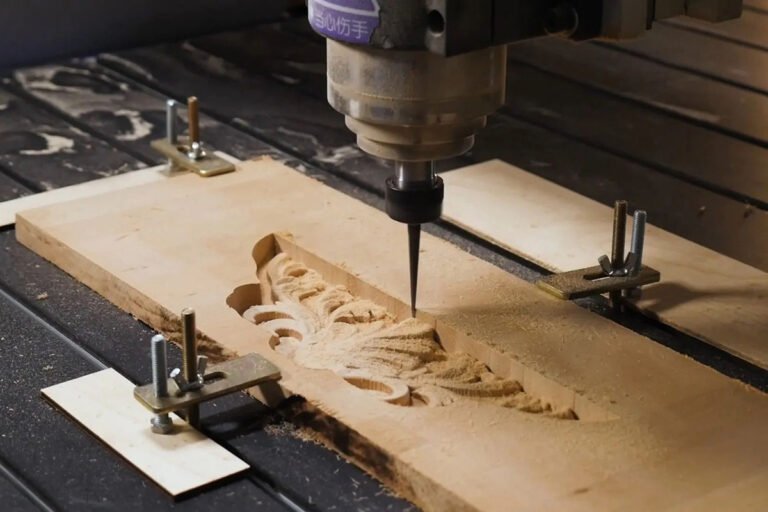
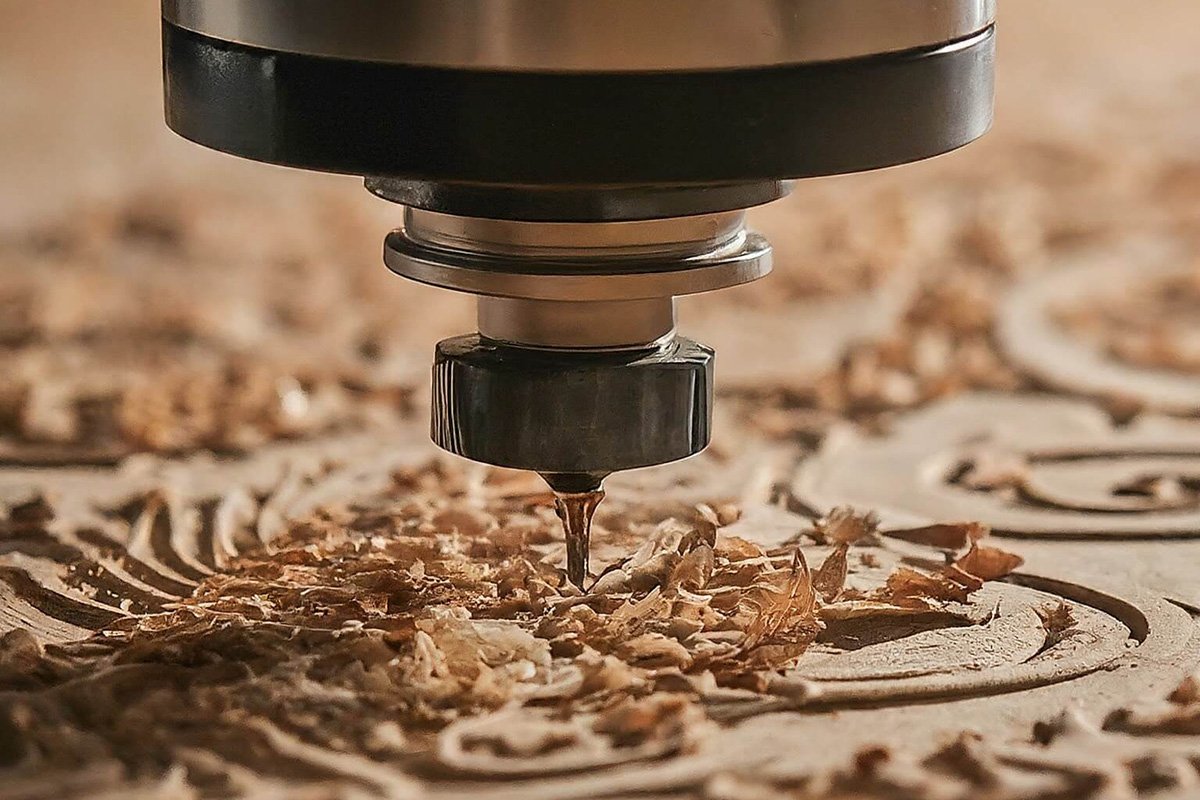
A wood CNC router is a computer-controlled cutting machine designed to carve, engrave, cut, and shape wooden materials with exceptional precision. Unlike manual routers or handheld tools, a CNC router follows programmed instructions generated from design software. This automation ensures consistent quality, repeatability, and efficiency across production runs.
Modern woodworking routers are equipped with advanced spindles, sturdy worktables, and intelligent control systems. They can process not only solid wood but also MDF, plywood, particle board, and composite panels. With capabilities ranging from simple edge profiling to complex 3D carving, CNC routers have become indispensable in industries that require both functional and decorative wooden products.
How Does a Wood CNC Router Work?
At the core of the CNC wood carving machine is its integration of digital design with automated cutting. The workflow can be broken down into several steps:
- Design Preparation
The process begins with CAD (Computer-Aided Design) or CAM (Computer-Aided Manufacturing) software. Users create or import a digital design, whether it’s a cabinet door, a decorative pattern, or a large furniture panel. - Toolpath Generation
The software translates the design into toolpaths — the exact movements the cutting tool will make. These instructions are then converted into G-code, the language the CNC router understands. - Machine Setup
The operator sets up the machine by fixing the wood onto the table, selecting the appropriate cutting tools, and calibrating the spindle speed and feed rate. - Automated Cutting
Once started, the machine executes the programmed commands, moving the spindle along the X, Y, and Z axes. This ensures precise cuts, engravings, and 3D carvings. - Finishing
After the cutting process, pieces may undergo sanding, polishing, or assembly, depending on the product requirements.
This seamless integration of digital design and mechanical execution allows businesses to scale production without sacrificing quality.
Applications of Wood CNC Routers
The versatility of CNC routers has expanded their use across multiple woodworking sectors:
- Furniture Manufacturing
CNC routers can produce tables, chairs, cabinets, and wardrobes with high precision. Intricate patterns on cabinet doors, decorative moldings, and custom furniture designs are easily achievable. - Door and Window Production
From solid wood doors to decorative window frames, CNC routers ensure consistency in both functional and decorative elements. - Wooden Art and Crafts
Artists and craftsmen use CNC wood carving machines to create sculptures, wall panels, and intricate engravings that would be difficult to achieve manually. - Musical Instruments
Precision is critical in instrument production. CNC routers carve guitar bodies, piano components, and violin parts with uniformity and accuracy. - Architectural Components
Columns, railings, wall claddings, and custom interior décor elements are efficiently produced using CNC technology. - Packaging and Signage
Beyond traditional woodworking, CNC routers also process plywood and MDF for packaging molds, signboards, and display stands.
Advantages of Wood CNC Routers Over Traditional Methods
- High Precision and Repeatability
Every product matches the design exactly, eliminating inconsistencies common with manual craftsmanship. - Increased Productivity
Automated cutting dramatically reduces production time, allowing manufacturers to handle larger orders efficiently. - Design Flexibility
Complex 2D and 3D designs that would take hours manually can be executed quickly with CNC technology. - Cost Efficiency
Reduced waste, lower labor costs, and faster production cycles contribute to long-term savings. - Enhanced Safety
Operators interact with the machine through software and setup, reducing risks associated with manual cutting. - Durability and Reliability
Modern machines are built with high-quality components such as SHIMPO reducers, TBI ball screws, and Syntec control systems, ensuring longevity and stable performance.
How to Choose the Right Wood CNC Router
Selecting the right CNC woodworking router depends on your production scale, material type, and application requirements. Key factors include:
- Working Area Size
Larger tables are ideal for furniture and door production, while smaller machines suit crafts and signage. - Spindle Power
For heavy-duty cutting, a spindle above 6kW is recommended. For lighter applications, 3–5kW is sufficient. - Control System
A reliable controller such as Syntec (Taiwan) or DSP handheld systems ensures smooth operation. - Drive and Motion Systems
Look for durable helical racks, reducers, and ball screws for long-term accuracy. - Tool Changing Capability
ATC (Automatic Tool Changer) routers improve efficiency in complex projects requiring multiple tools. - Budget and ROI
Consider both the initial investment and the long-term productivity gains when making a purchase decision.
Future Trends in Wood CNC Routing
The woodworking industry is evolving rapidly, and CNC routers continue to advance in several areas:
- Automation & Smart Manufacturing
Integration with robotic arms, automatic loading systems, and smart monitoring enhances productivity. - AI-Assisted Design
Machine learning applications may soon optimize toolpaths and material usage. - Eco-Friendly Manufacturing
Energy-efficient spindles and dust collection systems contribute to sustainable production. - Hybrid Machines
Some CNC routers are now capable of combining cutting, engraving, drilling, and edge banding in a single setup.
Conclusion
The wood CNC router is no longer just a tool—it is the backbone of modern woodworking production. From large-scale furniture factories to small artisan workshops, CNC routers provide the precision, flexibility, and efficiency required to stay competitive. As technology advances, these machines will continue to revolutionize how wood products are designed and manufactured.
For businesses aiming to upgrade their production capabilities, investing in a high-quality woodworking router is not just a choice—it’s a necessity.