Introduction
The woodworking industry has seen a significant transformation in recent years, largely due to the rise of CNC woodworking machines. From small workshops to large-scale furniture factories, the wood CNC router has become a vital tool for producing high-quality, precise, and consistent wooden products.
However, with so many models, features, and manufacturers on the market, choosing the right CNC router for wood can feel overwhelming. This comprehensive guide provides essential information for buyers to make informed decisions, covering machine types, key features, applications, costs, and maintenance considerations.
What Is a Wood CNC Router?
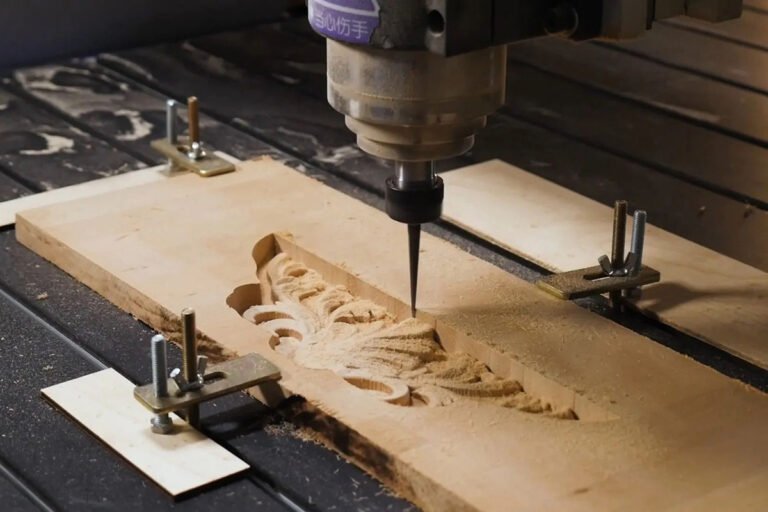
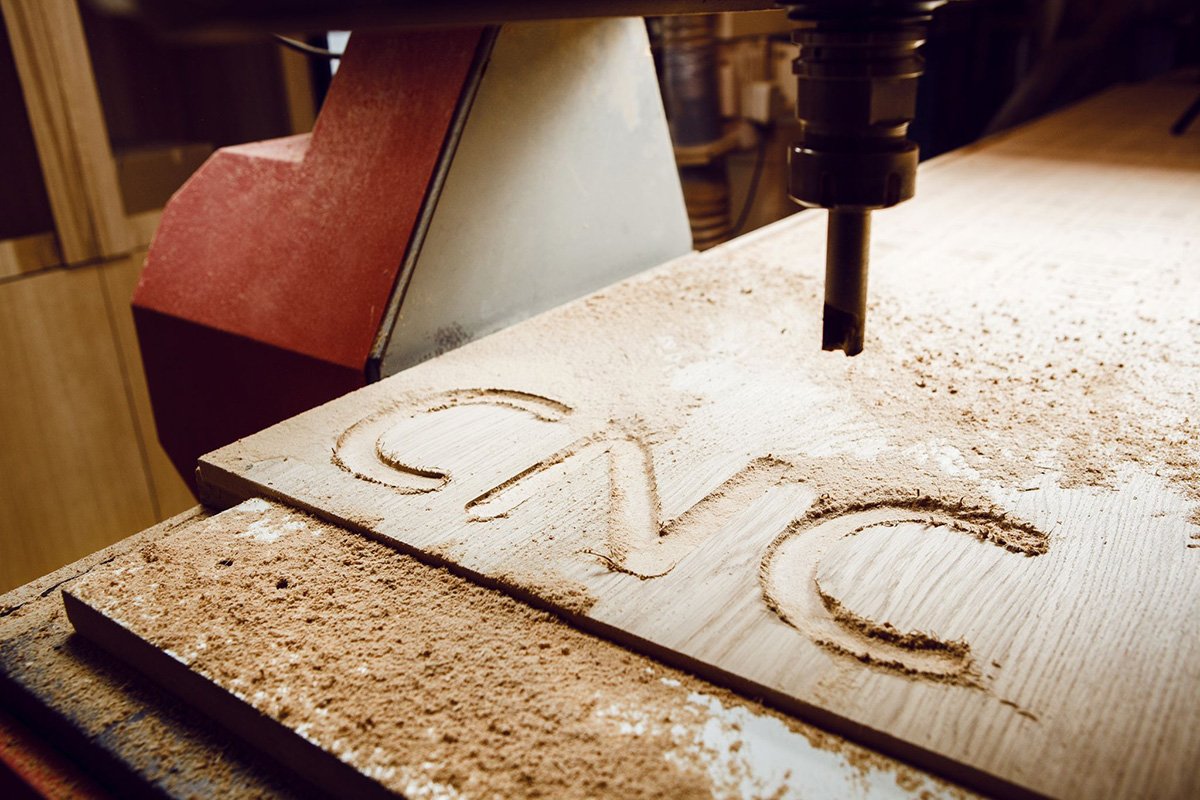
A wood CNC router is a computer-controlled cutting machine designed to process wood materials with precision. Unlike manual tools, it follows programmed paths to perform cutting, engraving, drilling, and carving tasks.
CNC woodworking routers are widely used in furniture making, interior design, sign-making, and other industries where precision and efficiency are crucial.
Types of Wood CNC Routers
1. Single-Head CNC Routers
- Best for: Small workshops, entry-level users
- Features: One spindle, cost-effective, simple operation
- Use Cases: Custom furniture, signage, prototyping
2. Multi-Head CNC Routers
- Best for: Medium to large factories
- Features: Multiple spindles working simultaneously, ideal for mass production
- Use Cases: Cabinet doors, wooden panels, repeated designs
3. ATC CNC Routers (Automatic Tool Changer)
- Best for: High-volume production with complex tasks
- Features: Automatic tool-changing system for different operations
- Use Cases: Furniture factories, complex 3D carving, multi-step machining
4. 5-Axis CNC Routers
- Best for: Advanced manufacturing and creative industries
- Features: Full 3D machining capability, handles complex curves and angles
- Use Cases: Sculptures, aerospace components, advanced woodworking designs
Key Features to Consider Before Buying
1. Working Area
The size of the machine’s working table determines what materials and projects it can handle.
- Small working area (900×1200mm): Best for hobbyists or small businesses
- Medium working area (1300×2500mm): Standard for furniture factories
- Large working area (2000×6000mm+): Ideal for industrial-scale production
2. Spindle Power
The spindle is the heart of a CNC router for wood.
- 3kW–5kW: Suitable for softwood and light engraving
- 6kW–9kW: Handles hardwood, MDF, and continuous cutting
- 12kW+: Heavy-duty carving, stone processing, or high-volume production
3. Control System
A reliable control system ensures smooth operation. Popular brands include Syntec (Taiwan), RichAuto, and OSAI.
4. Drive and Transmission System
- Rack and pinion (X/Y axis): Provides stability and speed
- Ball screw (Z axis): Ensures high precision for vertical movement
5. Table Type
- Vacuum adsorption table: Strong holding power for large panels
- T-slot table: Flexible clamping for irregular materials
- Hybrid table: Combines both options
Applications of CNC Woodworking Routers
- Furniture Manufacturing – Cabinets, doors, wardrobes, tables, and chairs
- Interior Decoration – Wall panels, ceiling designs, and custom installations
- Signage & Advertising – 3D letters, logos, and decorative signs
- Artistic Carving – Sculptures, decorative patterns, and handicrafts
- Musical Instruments – Guitar bodies, violin parts, and piano components
By investing in the right CNC router for wood, businesses can expand product offerings, enhance design flexibility, and increase production efficiency.
Conclusion
Buying a wood CNC router is a major investment, but one that can pay significant dividends when chosen wisely. By understanding the different machine types, evaluating key features, and considering long-term costs, businesses can select a CNC woodworking router that fits their production needs and budget.
Whether you are a small workshop seeking efficiency or a large furniture manufacturer aiming for scalability, the right CNC router for wood can transform your production process and ensure lasting success in today’s competitive woodworking industry.