
Introduction
The furniture industry has undergone a major transformation in recent decades. While craftsmanship and design remain at the heart of furniture production, advanced machinery has redefined how efficiency, accuracy, and scalability are achieved. One of the most influential technologies driving this change is the wood CNC router.
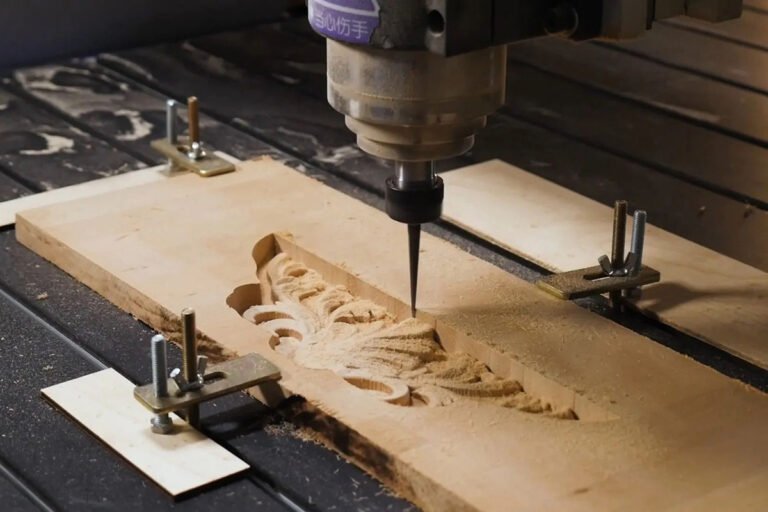
A CNC woodworking machine allows manufacturers to cut, carve, engrave, and assemble wooden components with unmatched precision. From large furniture factories to small workshops, businesses are adopting CNC routers for wood to produce everything from kitchen cabinets and wardrobes to chairs, tables, and decorative pieces.
This article explores the key applications of wood CNC routers in the furniture industry, highlighting their benefits, common uses, and impact on global production.
Why CNC Routers Are Essential in Furniture Manufacturing
The demand for modern furniture is growing rapidly. Consumers expect stylish designs, quick delivery, and high durability—all at competitive prices. Meeting these expectations is nearly impossible with manual tools alone.
A furniture CNC router bridges this gap by offering:
- Precision: Achieves complex cuts and detailed engraving without human error.
- Efficiency: Processes large volumes of material at high speed.
- Flexibility: Handles diverse materials such as hardwood, MDF, plywood, and composites.
- Scalability: Suitable for both mass production and customized furniture orders.
Key Applications of Wood CNC Routers in Furniture
1. Cabinet Manufacturing
One of the largest applications of CNC routers in furniture is kitchen cabinets, wardrobes, and storage units.
- Tasks Performed: Cutting panels, drilling hinge holes, engraving decorative patterns
- Benefits: Uniform cabinet doors, seamless edges, reduced wastage
- Example: Mass production of modular kitchen cabinets with consistent dimensions
2. Table and Chair Production
Tables and chairs require strong structural integrity and smooth finishes. CNC routers handle these requirements with ease.
- Tasks Performed: Shaping table legs, cutting chair backs, engraving decorative details
- Benefits: Consistency across large batches, ergonomic designs, faster turnaround
- Example: Producing restaurant furniture in bulk with identical quality
3. Decorative Panels and Doors
A growing trend in interior design is the use of decorative wood panels and custom doors. CNC routers allow for complex 2D and 3D patterns that are difficult to achieve manually.
- Tasks Performed: Carving floral designs, 3D textures, and geometric patterns
- Benefits: Adds high-value aesthetics, enhances interior appeal, enables premium pricing
- Example: Engraved wooden doors with customized customer logos or family crests
4. Custom Furniture
The modern consumer often demands personalized furniture tailored to unique tastes and spaces.
- Tasks Performed: Flexible cutting and shaping based on CAD designs
- Benefits: Quick turnaround for custom orders, accuracy in fitting custom dimensions
- Example: Personalized office desks, bookshelves, or children’s furniture
5. Wooden Sofa Frames and Bed Frames
Large furniture such as sofas and beds require strong yet precisely cut frames. CNC routers deliver accuracy while ensuring structural strength.
- Tasks Performed: Cutting joints, shaping side panels, drilling connection points
- Benefits: Perfectly fitting components, strong assembly, reduced manual labor
- Example: Production of bed frames with unique headboard designs
6. Wooden Signage and Branding
Many furniture manufacturers also use CNC routers for branding and labeling by engraving logos directly onto wooden surfaces.
- Tasks Performed: Engraving company logos or serial numbers
- Benefits: Permanent branding, anti-counterfeit protection, enhanced brand identity
Advantages of Using Wood CNC Routers in Furniture Industry
- High Production Speed – Machines can operate 24/7 with minimal downtime.
- Accuracy and Repeatability – Ensures identical furniture pieces across batches.
- Material Optimization – Reduces waste, lowering material costs.
- Design Flexibility – Supports intricate and innovative furniture styles.
- Labor Efficiency – Fewer operators are required compared to traditional woodworking.
- Scalability – Handles both small custom projects and large-scale industrial manufacturing.
CNC Router for Wood vs Traditional Furniture Making
| Feature | Traditional Woodworking | CNC Furniture Router |
|---|---|---|
| Precision | Skilled hands required | Computer-controlled accuracy |
| Production Speed | Slower, time-consuming | Fast, scalable output |
| Labor Cost | High (skilled workers) | Lower, fewer operators |
| Design Complexity | Limited by skill level | Supports 2D & 3D designs |
| Repeatability | Variations common | Identical results every time |
Case Study: CNC Routers in Modern Furniture Factories
A furniture manufacturer in Southeast Asia switched from manual woodworking to a wood CNC router-based production line.
- Before CNC: 10 workers could produce 50 cabinets per week.
- After CNC: 4 workers with two CNC routers produced 200 cabinets per week.
- Result: Labor costs reduced by 40%, production speed increased 4x, and product quality improved significantly.
Future of CNC Routers in Furniture Production
The future of the furniture industry is automation and customization. With growing consumer demand for smart furniture, personalized designs, and sustainable production, CNC routers will continue to play a central role.
Upcoming trends include:
- Integration with AI-powered CAD design for smarter furniture modeling.
- Hybrid production combining CNC automation with manual finishing.
- Eco-friendly manufacturing, minimizing material waste and energy usage.
Conclusion
The furniture industry is evolving rapidly, and businesses that adopt wood CNC routers gain a significant competitive edge. Whether producing cabinets, tables, decorative panels, or customized furniture, a CNC woodworking machine ensures efficiency, accuracy, and profitability.
By investing in a furniture CNC router, manufacturers can meet the rising global demand for high-quality, affordable, and customized furniture—while maintaining scalability and reducing costs.
In short, the applications of CNC routers for wood in furniture manufacturing are vast, and their role will only continue to expand in shaping the future of modern woodworking.