Introduction
In the ever-evolving world of manufacturing, the demand for precision woodworking continues to rise. Businesses across industries—from furniture factories to architectural design studios—are embracing advanced technologies to stay competitive. Among these technologies, the wood CNC router has emerged as a transformative force.
Unlike traditional manual tools, CNC woodworking machines combine cutting-edge automation with superior precision, allowing manufacturers and craftsmen to achieve results that were once time-consuming, inconsistent, or even impossible. This article explores the real-world applications of wood CNC routers, showcasing how they bring value to different industries, reduce costs, and open new possibilities for creative design and production.
Why Wood CNC Routers Are Game-Changers
The introduction of CNC routers for wood marked a significant shift in production methods. Instead of relying solely on skilled labor, businesses now leverage advanced machinery that can:
- Execute complex designs with minimal error
- Maintain consistent quality across mass production
- Reduce material waste through optimized cutting paths
- Handle both large panels and intricate details with ease
These capabilities make CNC woodworking routers indispensable tools for both small workshops and large industrial facilities.
Applications of Wood CNC Routers Across Industries
1. Furniture Manufacturing
The furniture industry has benefited tremendously from CNC technology. From mass-produced cabinets to custom-designed dining tables, CNC routers provide unmatched precision and repeatability.
- Cabinet Production
CNC routers cut MDF, plywood, and solid wood panels into precise shapes for cabinet doors, shelves, and structural components. Intricate door patterns and decorative engravings can be achieved effortlessly. - Custom Furniture
Designers can experiment with unique forms, curves, and carvings that traditional tools cannot easily replicate. A wood CNC router ensures these creative designs are reproduced accurately. - Mass Production Efficiency
Large furniture factories often utilize ATC CNC routers with automatic tool changers, allowing seamless transitions between cutting, drilling, and carving tasks without downtime.
2. Interior Design and Architecture
Modern architectural designs rely heavily on detailed wooden elements for aesthetics and functionality. CNC woodworking machines enable architects and interior designers to push boundaries in design.
- Wall Panels and Claddings
CNC routers carve decorative wall panels with geometric or floral patterns, adding elegance to homes, hotels, and commercial spaces. - Ceiling and Flooring Designs
Intricate patterns in wooden flooring or ceiling panels are made possible through CNC precision. - Custom Installations
From reception desks to stair railings, CNC routers create one-of-a-kind wooden structures that elevate interior spaces.
3. Artistic Woodworking and Crafts
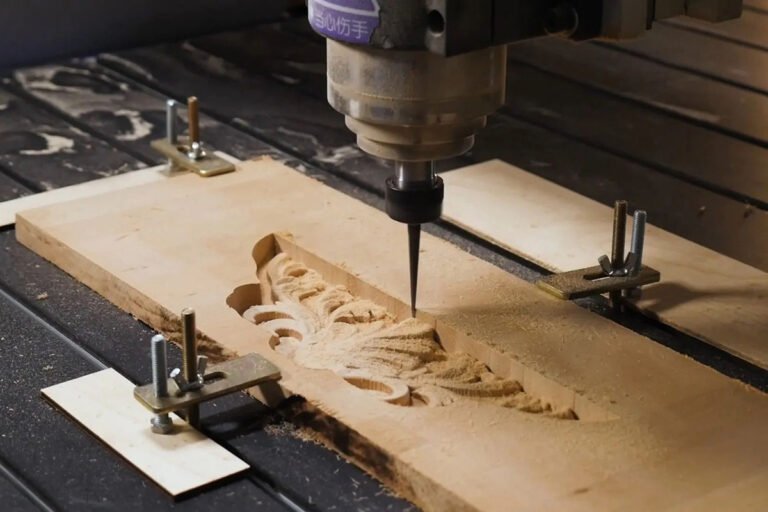
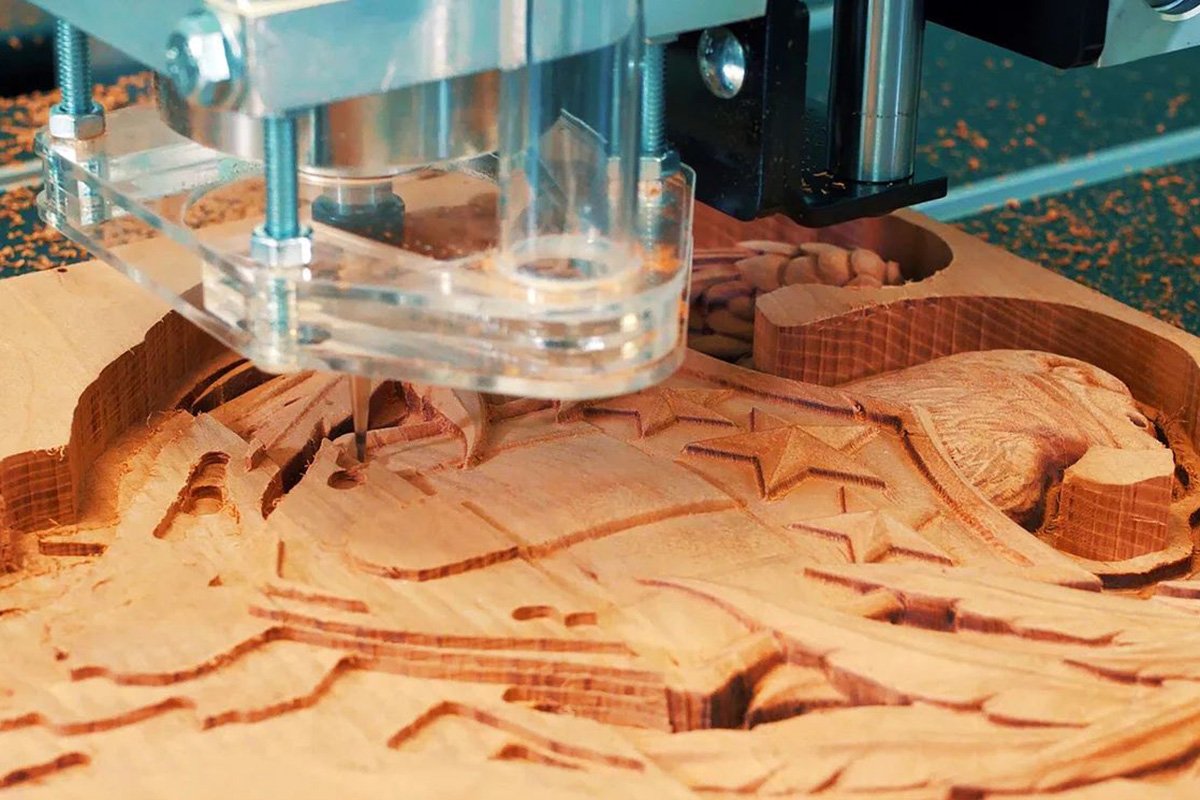
For artisans and craftsmen, CNC wood carving machines bridge the gap between creativity and efficiency.
- 3D Sculptures and Engravings
Detailed carvings of animals, religious figures, or abstract art can be produced quickly, preserving artistic integrity while saving time. - Signage and Decorative Pieces
Businesses use CNC routers to produce personalized wooden signs, nameplates, and promotional displays. - Replicas and Restorations
CNC technology helps replicate antique woodwork or restore damaged components with precise accuracy.
4. Musical Instrument Production
Musical instrument manufacturers require extreme precision, as even minor deviations can impact sound quality.
- Guitars and Violins
CNC routers carve guitar bodies, necks, and violin parts with consistent accuracy. - Pianos and Organs
Large wooden components for pianos and organs are shaped to perfection, ensuring both durability and tonal quality.
This consistency improves production scalability while preserving the instrument’s acoustic performance.
5. Industrial and Packaging Solutions
Beyond furniture and décor, wood CNC routers are also valuable in industrial applications.
- Plywood Molds
Factories use CNC routers to create molds for packaging and casting. - Wooden Pallets and Containers
Precise cutting ensures durability and compliance with industry standards. - Prototyping
CNC woodworking machines allow engineers to quickly test designs using wooden prototypes.
Advantages for Businesses
Investing in a CNC router for wood delivers both short-term and long-term benefits:
- Scalability
Whether producing one piece or thousands, CNC routers adapt seamlessly to different production scales. - Labor Optimization
Skilled labor focuses on design and supervision, while the machine handles repetitive and labor-intensive tasks. - Material Utilization
Optimized cutting paths reduce waste, improving cost efficiency. - Market Competitiveness
The ability to produce complex, customized, and high-quality wood products gives businesses a competitive edge.
Choosing the Right Wood CNC Router for Your Industry
With different models available, selecting the right machine depends on your application.
- Furniture Factories → Large working areas, ATC spindles, and vacuum adsorption tables are essential.
- Interior Designers → Medium-sized routers with 3D carving functions suit decorative projects.
- Artisans → Smaller, cost-effective CNC routers with high spindle speed meet artistic carving needs.
- Industrial Users → Heavy-duty machines with high power and durability ensure long-term stability.
The Future of CNC Woodworking
Technological advancements continue to expand the capabilities of CNC routers:
- AI-Enhanced Design
Smart software will optimize cutting paths, further reducing waste. - Integration with Robotics
Automated loading and unloading systems will boost efficiency in large factories. - Sustainability
Eco-friendly spindles and dust collection systems will contribute to greener manufacturing. - Multi-Function Machines
Hybrid models combining cutting, drilling, engraving, and even polishing are on the rise.
Conclusion
The wood CNC router has revolutionized woodworking across multiple industries. From furniture production to architectural design, from artistic crafts to industrial applications, CNC technology offers precision, efficiency, and creative freedom.
For businesses seeking to scale operations, reduce costs, and meet modern design demands, adopting a CNC woodworking machine is not just an upgrade—it is a strategic investment. With continuous advancements in automation and digital manufacturing, the role of CNC routers in woodworking will only grow stronger in the years to come.